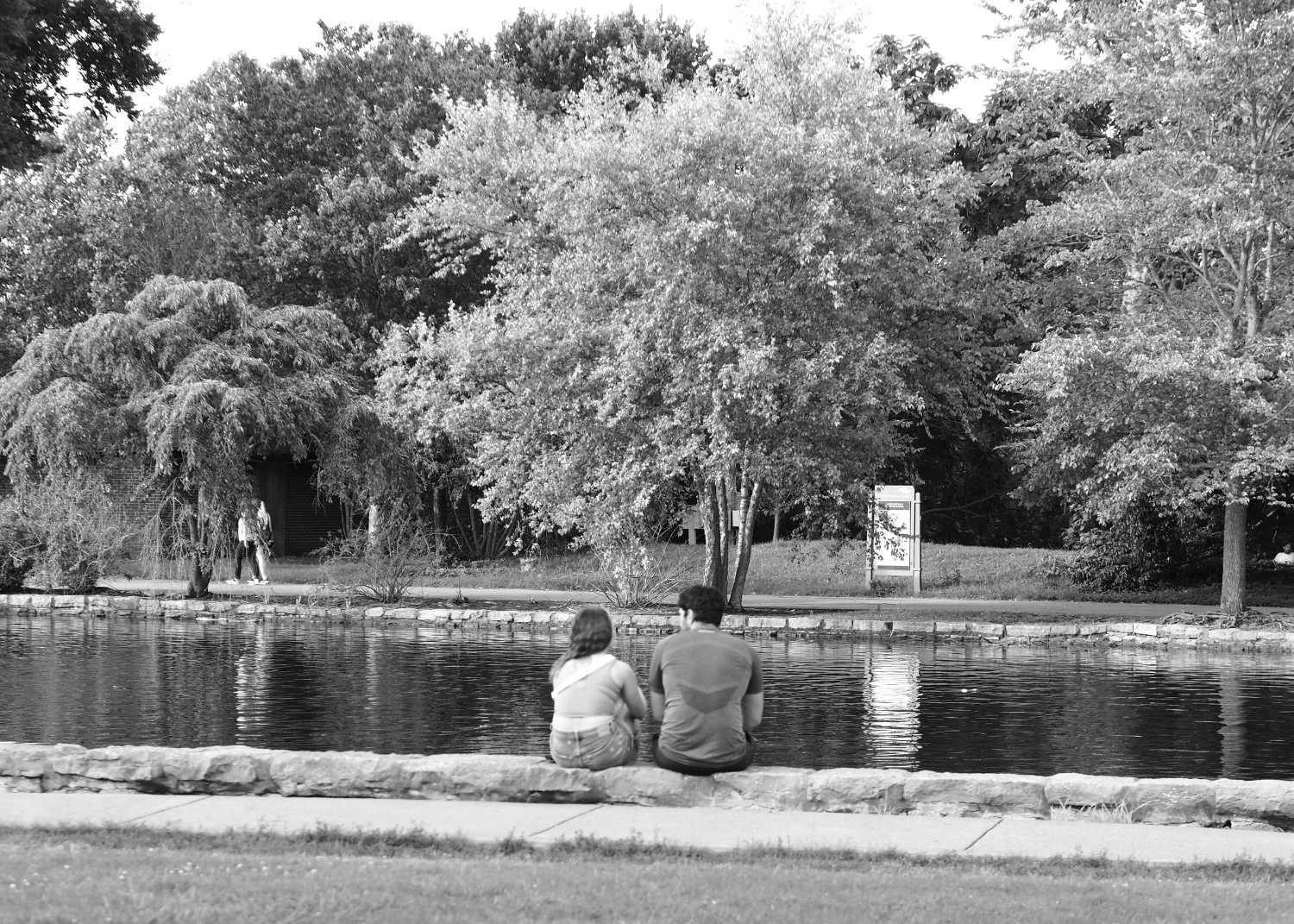
We often approach psychotherapy expecting to find answers. We look for techniques, advice, tools or explanations that will help us understand what is difficult for us and rid ourselves of it. And yet, in Gestalt psychotherapy change is not considered primarily the result of a technical intervention. It emerges from something deeper and more human: the encounter between two people.
Behind the symptoms, the difficulties and the stories each person carries, there is always a deeply human need to be perceived, to be heard and to be seen — without having to hide, to prove something, or to change in order to be accepted.
Gestalt therapy rests on the position that the relationship is not simply the frame within which therapy happens. The relationship itself is part of the therapeutic process.
In everyday life, our relationships are often shaped by roles, expectations and mutual projections. We do not always meet the other person as they really are; often we meet the fantasy we have of them, or meet them through the needs we hope they will fulfil.
Something similar happens with ourselves. We often come into contact not with what we really are, but with what we believe we ought to feel, think or be.
The dialogical philosophy of Gestalt emphasises the possibility of a different kind of encounter. An encounter in which two people are present to one another with openness and interest in what emerges between them at that moment.
In this view, therapy is not a process in which an expert analyses a client from a distance, from a position of enlightened omniscience. It is a living relationship in which both take part, each with a different role and responsibility, but with a shared presence.
Presence is one of the most fundamental concepts in Gestalt therapy.
Presence does not simply mean being physically in the same room. It means being available psychologically, emotionally and bodily for what is happening here and now. In Gestalt psychotherapy, the therapist does not hide behind the role of the expert, nor does she try to function as a detached observer. She remains present as a human being within the relationship, aware of what is happening inside her and between the two people. When it serves the therapeutic process, she may share aspects of her own experience — a feeling, a surprise, a sense of distance or closeness — not as an interpretation or a truth about the other, but as part of the living encounter taking shape in the present. Therapy is not treated as a process of observation from a distance, but as a relationship in which two people meet authentically, while each retains their own responsibility and position within it.
In a world that is often in a hurry to interpret, to correct or to give advice, the experience of being genuinely heard can be deeply transformative and relieving. More so than any ready-made piece of advice or instruction.
Presence creates a space in which a person can explore their experience without being pushed to arrive quickly at a conclusion or a solution. Within this climate of safety, much of what remained at the margins of awareness gradually begins to become visible.
One of the most important elements of the dialogical stance is the effort to meet the other as they are, and not as we would like them to be.
This does not mean agreeing with everything they say or do. It means a willingness to understand and to accept.
Many people grew up within relationships where acceptance came with terms, roles and conditions. They learned that some feelings were acceptable while others were not. That some sides of them could be expressed, while others had to stay hidden.
When a person experiences a relationship in which they can appear whole, without having to conceal parts of themselves, the conditions are created for deeper self-knowledge and authentic change.
We often believe that we change when we try hard enough to become different.
Gestalt psychotherapy suggests a different view. Substantial change tends to happen when we come into deeper contact with what we already are.
The more we fight parts of ourselves, the more often they stay immovable. On the contrary, when we approach them with curiosity and awareness, they begin to reveal their meaning and their function.
Within the therapeutic relationship, the client is not treated as a problem to be solved. They are met as a person trying to find a way to live more authentically within the circumstances and relationships of their life.
Many of the difficulties we face were formed within relationships. Through relationships we learn how to connect, how to protect ourselves, how to express or silence ourselves.
This is why the therapeutic relationship can become a different relational experience and model.
Not because it replaces the other relationships in our lives, but because it offers a space where the patterns by which we relate can become visible and be explored.
The way we come into contact with the therapist, the expectations we have, the fears and insecurities that are activated, the distance we keep or the closeness we seek — all of this is valuable material to work with.
Therapy is not only about what happened once. It is also about what is happening now, between two people.
At the core of Gestalt therapy lies a deep faith in the human capacity for awareness, connection and growth.
Therapy is not a process of correcting a defective self. It is a process of discovering and meeting what is already there but often remains outside awareness.
Before the techniques, before the theories and before the interpretations, there is the relationship.
And often, the experience of being met with authenticity, presence and respect can in itself be the beginning of a deep change.