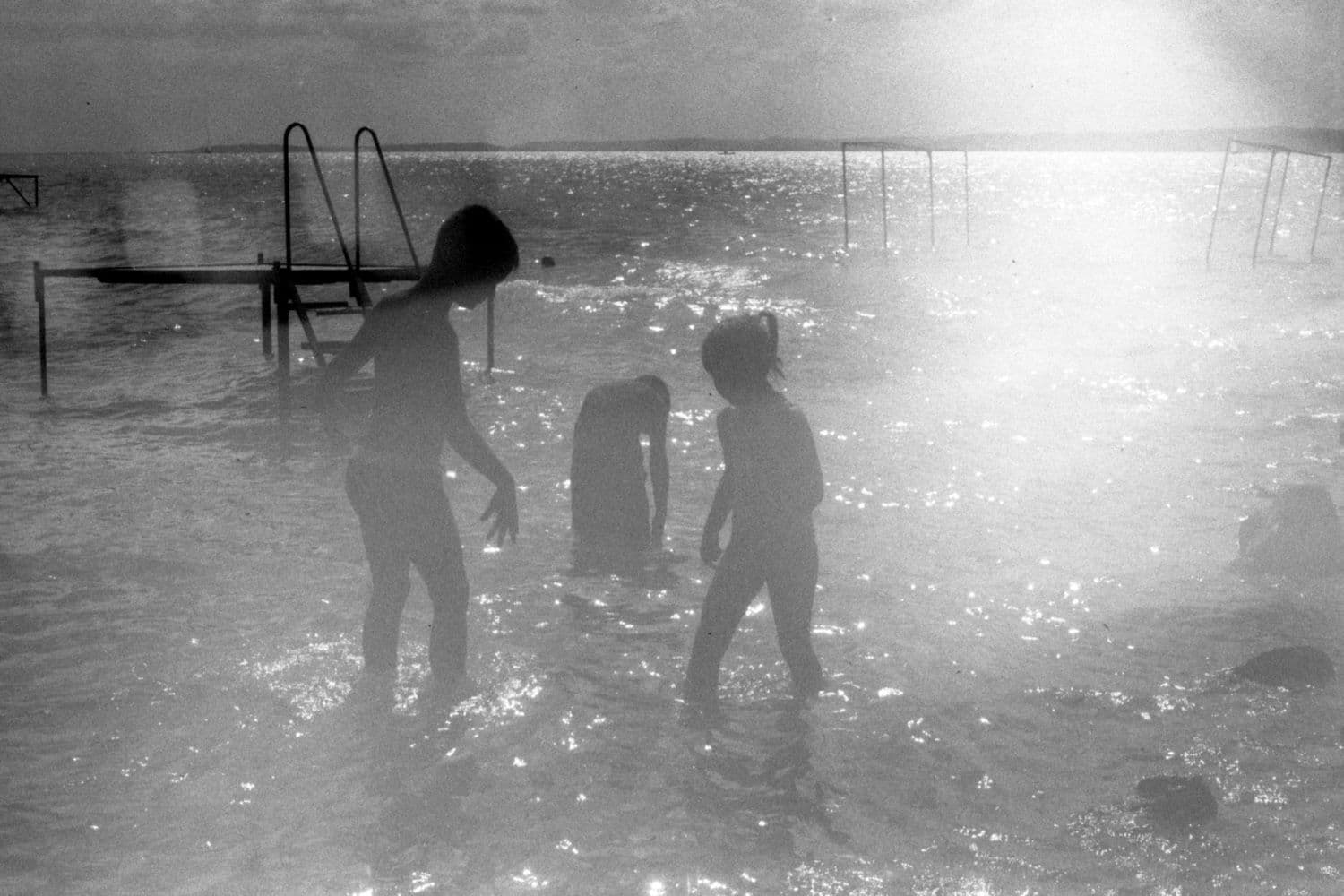
We spend a whole weekend at home. We sleep a little longer, we do not set an alarm, perhaps we even go away for a few days. And yet, when Monday comes, we often feel that we did not really rest. As though we took a small breath, but not the one we needed.
When we talk about burnout, we are not talking only about tiredness. We are talking about a state in which we have given, for a long time, more than we have been able to replenish. The psychologist Christina Maslach describes burnout as a combination of deep exhaustion, emotional distancing from what we do, and a sense that we are losing meaning or our sense of effectiveness (Maslach & Leiter, 2016).
This is why rest on its own is often not enough. Because it is not only the body that is tired. What has worn us out is the whole way we relate to our obligations, to ourselves and to other people.
Research shows that real recovery depends not only on whether we stopped working, but on whether we managed to detach psychologically from what is putting pressure on us (Sonnentag & Fritz, 2007). We may be lying on a beach while a part of us goes on mentally answering emails, organising loose ends, or worrying about the next day.
Sometimes we discover that even when we have time to rest, we no longer know how to do it.
Many people who have learned to be constantly in motion finally sit down with nothing urgent to do and, instead of feeling relief, an indefinable restlessness appears. A sense that “I’m forgetting something”, that “I should be using my time better”, that “I have no right to relax this much”.
Many people experiencing burnout describe exactly this. Not only difficulty resting, but difficulty allowing themselves to rest.
As though their nervous system had grown used to operating in a state of constant readiness and productivity, and had come to distrust calm.
In Gestalt therapy we see human experience as a continual alternation between contact and withdrawal. We turn towards the world, we meet people, demands and needs — but we also need moments of returning to ourselves, of assimilation and rest.
When life fills up continuously with obligations, responsibilities and availability, this rhythm is disrupted. We stay turned outwards for so long that we lose contact with our need to withdraw.
So rest stops being a natural process of renewal and becomes something we try to squeeze in between two obligations.
From this perspective, rest is not a luxury. It is a basic human need. It is the space within which we can hear ourselves again, sense what we need, and gradually recover our own rhythm.
What actually helps recovery?
Research shows that certain experiences are associated with a more substantial restoration of psychological and physical energy (Sonnentag & Fritz, 2007):
Psychological detachment from obligations. Not only stopping work, but letting the mind wander somewhere else for a while.
Moments of relaxation. Time in nature, music, silence, an unfamiliar place, a slow walk — anything that helps the nervous system come out of constant alertness and connect with the present.
A sense of choice. Having at least a small part of the day that is dictated not by obligations but by our own needs.
Activities that nourish us. Not further demands or goals, but experiences that make us feel alive, creative or connected.
Even so, when burnout has been settled in for a long time, we often need to look more deeply at what is keeping us so systematically disconnected from our own needs.