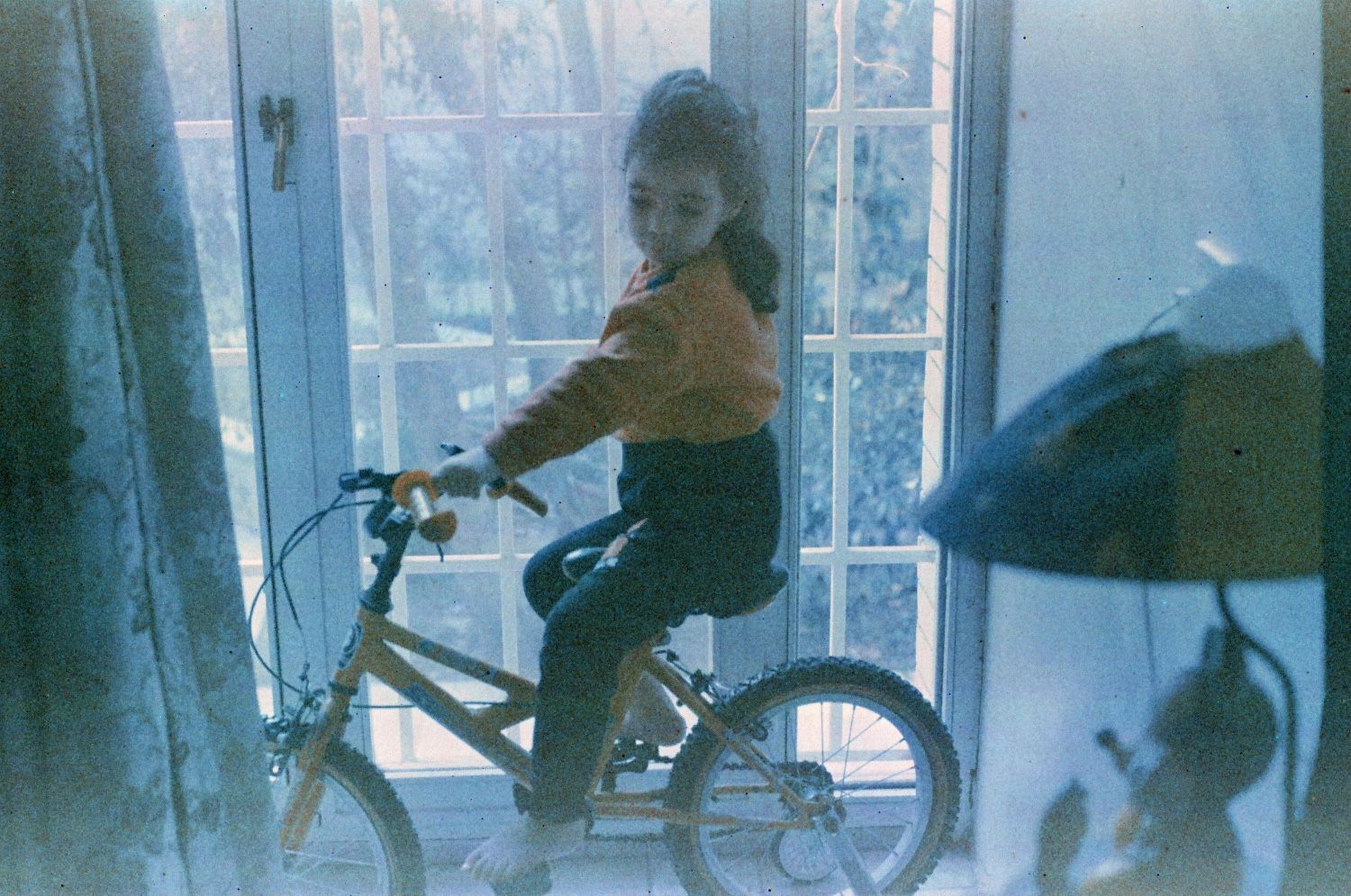
In a healthy course of development, care flows from the adult to the child. In parentification, this dynamic is reversed. Children are not merely forced to mature prematurely in order to tend to parental anxiety; for a period that is critical to their development, they lose their secure base — their parents. Relational trauma is precisely this violent loss of the safe parental refuge to which a child could run in their fear. A child’s carefreeness and need for protection are sacrificed to the parent’s need, which for the child is more vital still.
At some point during development, a psychological compromise is made in which the child feels they must sacrifice parts of their childhood, because if they do not, they will lose the parent. Children who do not have the luxury of playing carelessly, because something else more important is happening in the family that threatens their very existence. None of this, of course, is done deliberately; but the parent, being emotionally overwhelmed (usually through bereavement, mental illness, addiction, conflictual relationships in their environment, or chronic physical illness), is not psychologically able to fulfil their role.
There is a trap in parentification. A parent may verbally tell a child to go and play and not get involved in grown-ups’ problems, while at the same time saying, on an emotional level: “I need you; if you leave me with my pain, I might die.” Children are of course excellent readers of emotional messages, and they always hear what the adult does not say. So they step into a role of caring for the suffering parent, suppressing their own needs, desires and feelings because there is no room for them. If the child cries or gets angry, it will burden the parent further — and so a false self develops, one that appears over-mature, over-responsible and always available, while the true self is a frightened and neglected small child.
Without realising it, the child is playing a game they cannot win. In order to bear caring for the adult — something they are not equipped to do — they are forced to split themselves in two. One part takes on an adult task, responding to the family crisis, and another part remains a small child who receives no care.
In this invisible obligation, the child is called upon to solve a problem that is not theirs and that they have no means to resolve. This psychological entrapment is the root of the later sense of responsibility which dictates that if they stop taking care of others, their universe will collapse — just as back then, when they felt that their parent’s psychological survival was in their hands.
The trauma of parentification is not a trauma of “intrusion” (as violence is), but a trauma of “theft”. It concerns the theft of the right to be a child with needs, to depend on someone, and to develop authentically at one’s own pace. Healing from this trauma begins when the adolescent or adult allows themselves to set down the burden that was never theirs, and to give space to the neglected child inside them to be heard.