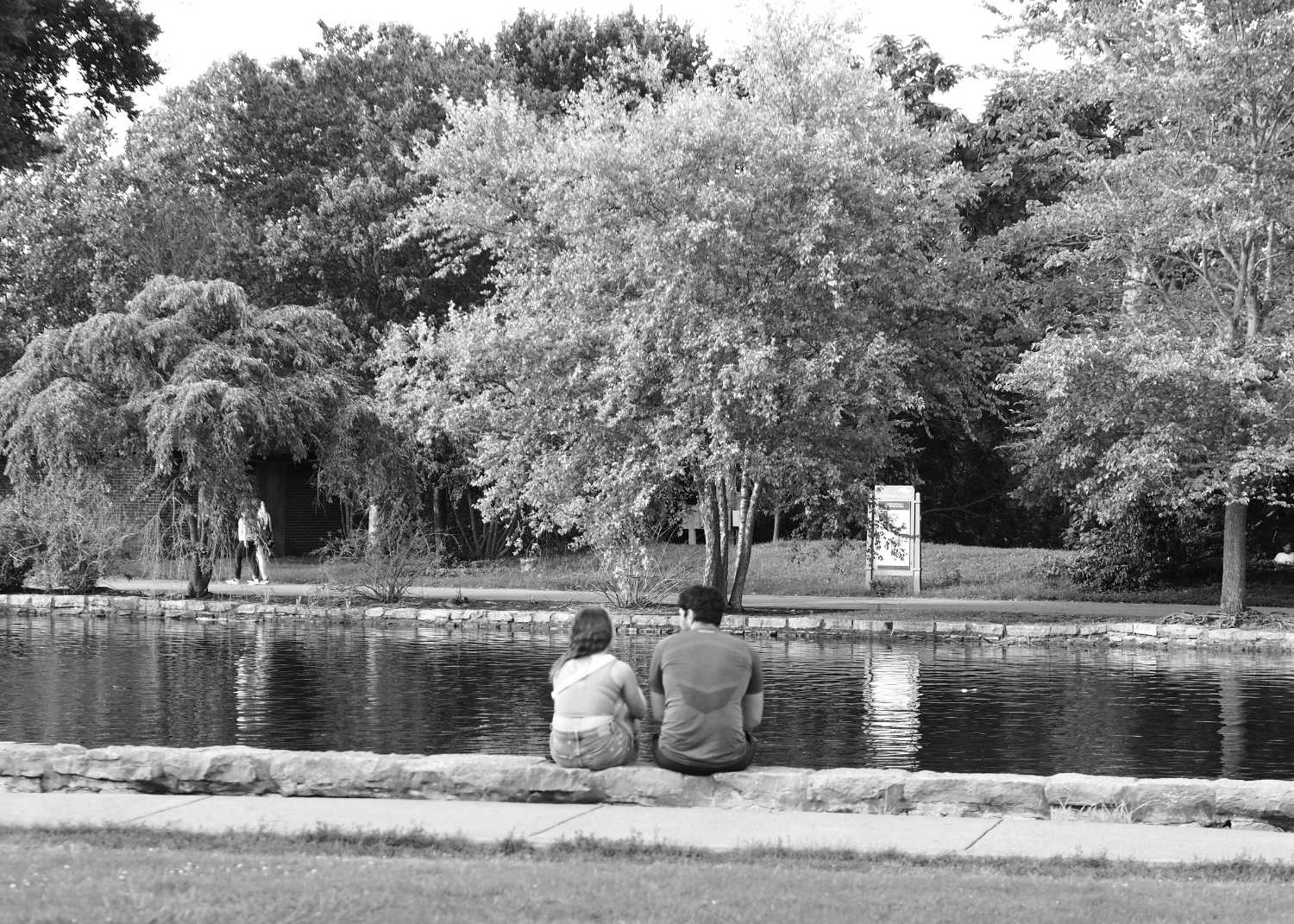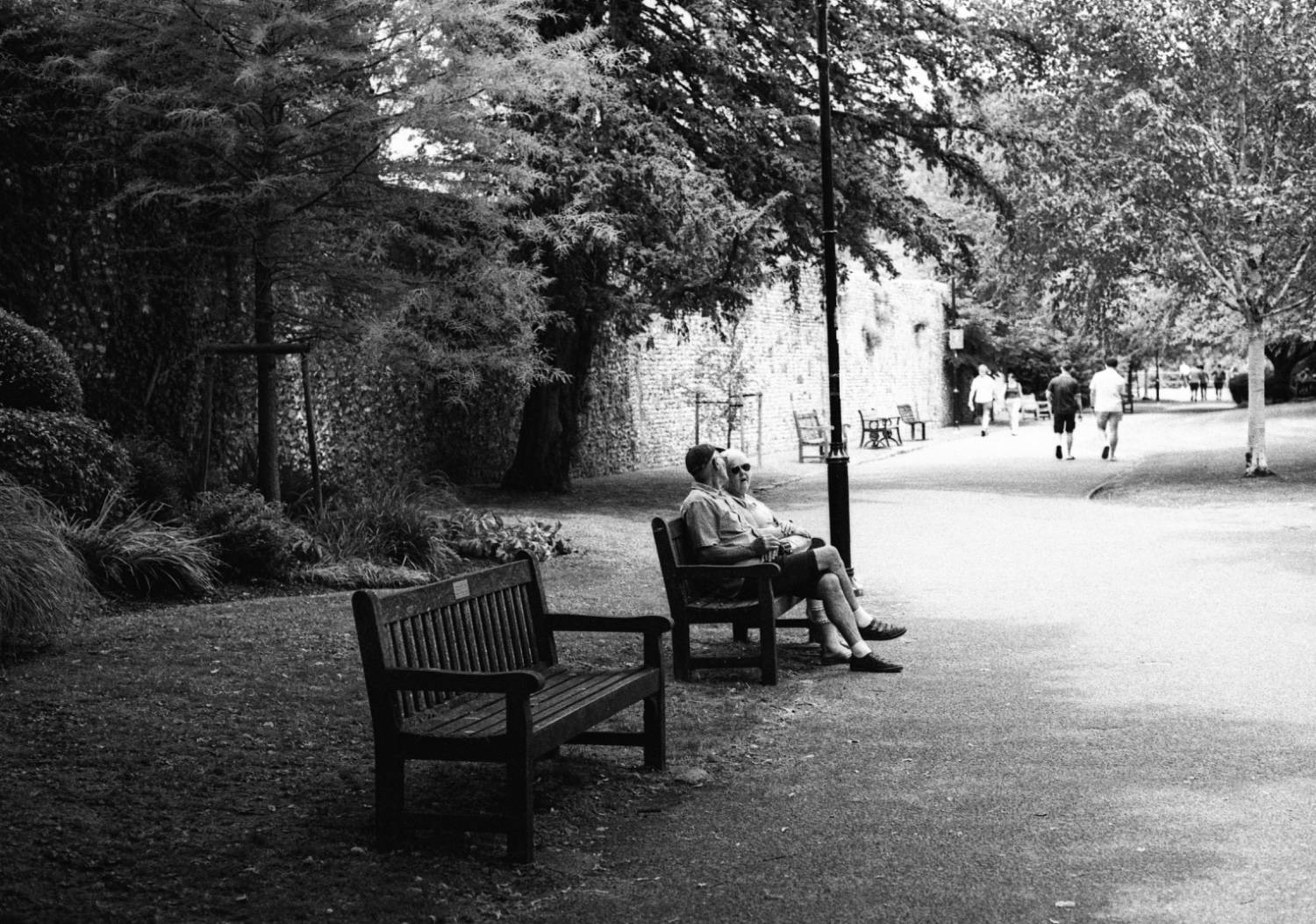
Many people, before walking into a therapy room for the first time, carry a worry: “Will this person understand me? Or will I be sitting opposite someone who simply takes notes, judges, waits for me to finish so they can offer their own interpretation?” The image we often have of therapy is a static one: an expert who listens, a client who talks, solutions and advice that will arrive from somewhere, and a distance that feels clinical.
What actually happens in a living therapeutic encounter, however, resembles an examination or a set of instructions far less than it resembles a dance: two people learning, step by step, to move together, to sense one another, to find a shared rhythm that did not exist before they met.
“Will they understand me?” The worry before the first session
The question “will they understand me” is not merely hesitation; it is essential. It asks whether therapy will be a technique applied to us or a real encounter. The Gestalt psychotherapist Margherita Spagnuolo Lobb described therapeutic contact as something the two people create together, not as something one does to the other (Spagnuolo Lobb, 2017). The therapist does not observe from a distance; she is affected, moved, she responds — and it is precisely this response of hers, when it is honest and held within a frame, that becomes an instrument of the therapy.
From “deficits” to a dance: a different view of the therapeutic encounter
For decades, part of Gestalt theory described the ways in which we struggle to come into contact with another person — for example, the part of the theory that speaks about how we take something in as our own without having digested it, how we attribute something of our own to someone else, how we turn inwards what would deserve to move outwards. However useful this formulation was for understanding the nature of psychological difficulties, it located the difficulty within one person only: the client.
Margherita Spagnuolo Lobb proposed something different: instead of speaking about one person’s deficits, to describe what happens between two people — like the steps of a dance that is created anew each time, depending on who the partners are at that moment. The dance may be hesitant, out of sync, full of interruptions, but it remains a dance, not the failure of one person.
The dance: how Gestalt describes the therapeutic encounter itself
In Gestalt psychotherapy theory the emphasis is not on what someone carries inside them as an object to be examined, but on what happens at what we call the contact boundary — the psychological and emotional space where they meet the other. Beyond listening, the therapist also uses her own bodily sensation: if she feels a tightening in her chest as the client speaks about something painful, that tightening is not irrelevant — it is information about the shared field between them at that moment. Spagnuolo Lobb called this capacity “aesthetic relational knowing”: knowing the other through our senses, not only through their words.
Within this frame, the meeting between therapist and client is described as a sequence of steps: first, sensing one another without movement yet, a first intuition; then recognising the intention behind each of the other’s movements; sometimes daring something new together, an “experiment” that breaks an impasse; and, once trust has been built, letting ourselves rest in the relationship we have made and in the possibilities it offers. No session necessarily passes through all these steps, and there is no correct order — there is only the aliveness of the encounter at that moment.
Imagine a client who comes into a session and says she has been depressed all week. The therapist feels her sadness and tells her so. The client feels her presence beside her and goes on describing her mood — this time, though, with a faint smile. The therapist notices that smile and does not pass over it; she responds to what is really being asked, beyond the words: “You really do want to feel better.” The client feels lighter and talks, for the first time that week, about the things she had wanted to do.
In another session, a client speaks, in tears and for the first time, about the abuse she suffered as a child at the hands of an uncle. The therapist feels a pressure in her chest as she listens; she does not ignore it, she follows it: when does that pressure ease? Perhaps when she feels anger towards the uncle; perhaps when she feels tenderness towards the woman in front of her. As the tension in her body loosens, something also shifts in the way the client speaks about her experience — as though the therapist’s own inner movement opens space on the other side as well.
What helps this dance take shape
The rhythm between two people does not appear from the first moment; it is built slowly. A few things a client might pay attention to:
- Name what you feel inside the room, not only what you bring from outside. An “I don’t know if I can say this” is already part of the dance and deserves to be said rather than hidden.
- Give the relationship time. A dance does not synchronise in the first session; it needs repetitions, small missteps, corrections.
- Notice the body, not only the words. A breath that catches, or shoulders that tighten, often say something before the mind has had time to think it.
- Allow imperfection. A good therapist will lose your rhythm at some point; what matters is whether the two of you can find each other again.
This dance cannot be learned alone, from a book or an exercise; it needs two people, in real time, facing one another. That is exactly what psychotherapy offers beyond any self-help technique: not a list of things to do on our own, but a living relationship within which we learn again what safe intimacy feels like.
This article draws mainly on the work of the Gestalt psychotherapist Margherita Spagnuolo Lobb on the “dance” between therapist and client; the clinical examples given here are adaptations of her own.
References
- Spagnuolo Lobb, M. (2017). From losses of ego functions to the dance steps between psychotherapist and client. Phenomenology and aesthetics of contact in the psychotherapeutic field. British Gestalt Journal, 26(1), 28–37.
- Perls, F., Hefferline, R., & Goodman, P. (1951/1994). Gestalt Therapy: Excitement and Growth in the Human Personality. New York: The Gestalt Journal Press.
- Stern, D. N. (1985). The Interpersonal World of the Infant: A View from Psychoanalysis and Developmental Psychology. New York: Basic Books.
- Buber, M. (1958). I and Thou. New York: Scribner.
- Damasio, A. (1999). The Feeling of What Happens: Body and Emotion in the Making of Consciousness. New York: Harcourt Brace.
- Gallese, V., Eagle, M. N., & Migone, P. (2007). Intentional Attunement: Mirror Neurons and the Neural Underpinnings of Interpersonal Relations. Journal of the American Psychoanalytic Association, 55(1), 131–176.