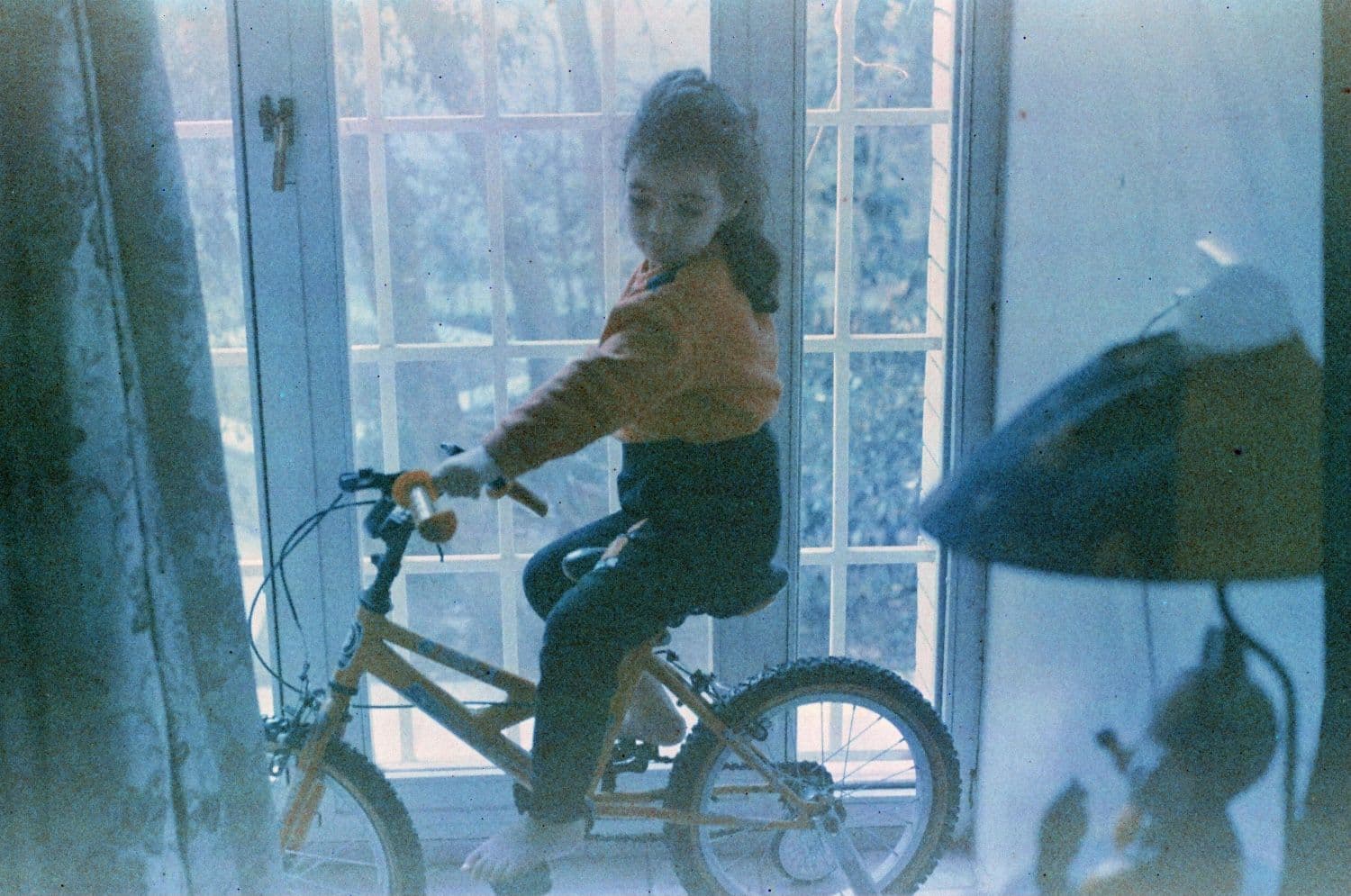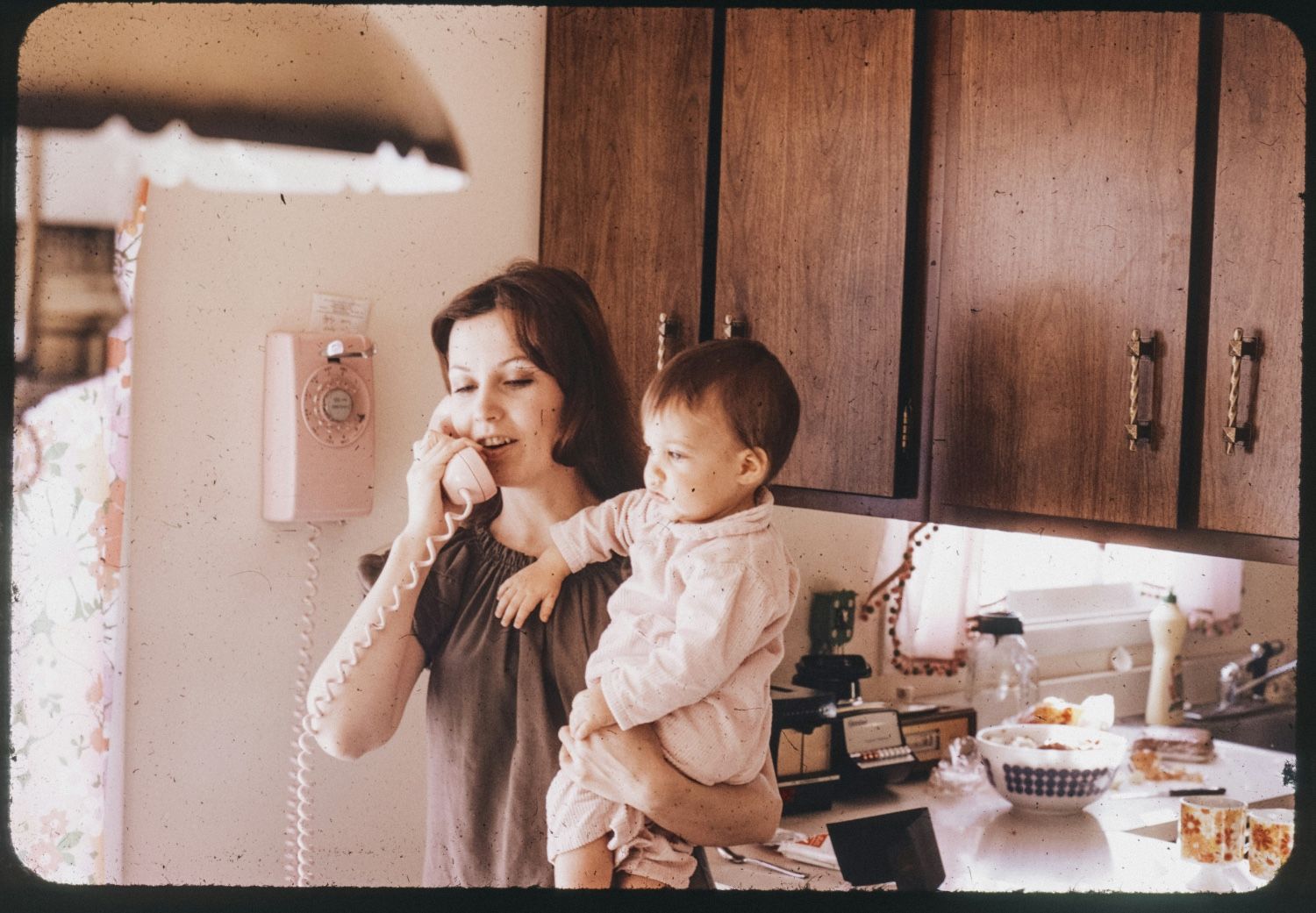
When we think about what hurts a child, our minds usually go to extreme images: abuse, abandonment, violence. These images are real, but they can make us overlook something quieter and far more common: the child who grows up in a home where care is not always certain — not because something terrible is happening, but because they can never predict what will happen to the mood of the adults caring for them, or to family life more generally.
Two recent studies — one with children who had a history of severe maltreatment, the other with almost 30,000 children from the general population — arrive by different routes at a similar conclusion: whether a child could predict their caregiving environment is one of the significant factors that appear to shape their psychological development.
Abuse is not the only thing that is traumatic for a child
Research on adverse childhood experiences (known internationally as ACEs) has traditionally focused on specific events: abuse, parental substance dependence, incarceration, divorce. But a study of almost 30,000 children in paediatric clinics showed that there is another, less visible risk factor: the child not being able to predict their daily life — who will pick them up from school, whether there will be food on time, whether the adult’s mood will be calm or may shift abruptly at any moment (Glynn et al., 2026). This factor was associated with depression, anxiety and sleep disturbance as strongly as the “heavier” adversities were, and it appeared in children from every social stratum, not only in children with a history of abuse.
In other words: it does not take a dramatic, isolated event to hurt a child. It is enough for them to be unable to rely on a daily pattern of care and safety — because for children, consistency in care is what builds their sense of security.
The research suggests that an extreme level of stress is not necessarily required for this condition to take shape. When a mother is under intense stress, it is not that she necessarily provides less care or less love to her child; what changes is the pattern of care itself: stress makes her respond sometimes immediately and sometimes not at all, sometimes tenderly and sometimes abruptly or with intensity, interrupting her caregiving to do something else, without a consistency the child can learn to anticipate (Davis & Glynn, 2024). The lack of predictability itself, regardless of how much care or support is offered overall, appears to affect the child’s emotional and cognitive development.
The size of this effect is not negligible. In the study of almost 30,000 children mentioned above, a child with none of the established adversities but with a high degree of unpredictability at home showed a significantly increased risk of receiving a diagnosis of depression later on (roughly twelve times higher), compared with a child with neither form of adversity (Glynn et al., 2026). Unpredictability, that is, does not need to be accompanied by any “serious” abuse or trauma in order to leave its own imprint.
Why predictability is a foundation, not a detail
Attachment theory explains it in simple terms: what an infant needs is not a life without difficulties, but a caregiver stable enough to be used as a “secure base”, a point of reference they know they can return to (Bowlby, 1980). When the adult’s response is unpredictable — sometimes tender, sometimes absent, sometimes explosive for no apparent reason — the child does not learn that the world is safe or dangerous. They learn that the world is unstable. And they develop strategies for surviving that instability: suppressing their needs, constantly monitoring the other person’s mood in order to know when it is the right moment to express something, or demanding with great intensity the attention they are not sure they will receive.
Think of a child growing up in a home where there is no abuse, but the parent’s mood shifts unpredictably — warm and available on some days, distant on others without explanation. The child learns to read the adult’s face before speaking, before asking, before approaching. Their body learns to remain permanently on alert.
When does insecure attachment work like a shield?
In extreme forms, this lack of predictability becomes neglect. In the study by Farnfield and Onions (2026), of 45 children living in therapeutic residential care because of very severe abuse or neglect, the total number of life adversities did not predict whether a child would improve or deteriorate over the following two years. What seemed to matter more was early neglect, particularly in the perinatal period — precisely the period in which an infant builds their first expectations about whether the world responds to their needs consistently.
Consider a child growing up with a young mother who has no support around her and cannot respond consistently to their needs, or in a large family where, because of the many demands and the absence of a support network, not all the children can be adequately cared for. These children learn early not to ask for anything, to look after themselves, and they are more vulnerable to abuse or exploitation by those around them.
The study above suggested that certain forms of insecure attachment (where a child develops a pattern of relating in which it is hard to build the expectation that the adult is consistently available, predictable and safe) can function as adaptive survival strategies in environments where safety is not a given, because they give the child a way of staying in a manageable contact with an unpredictable adult. The problem is not the emotional shield in itself; it is when it becomes the only language the child knows — even once they are in an environment they could finally predict and feel safe in.
Why absence hurts differently
Think of the difference between being struck and having a familiar person fail to turn towards us and care for us at the moments we needed it most. The first hurts, but it is a condition we can recognise, name and to some extent predict; the second leaves a gap that is hard to name, because it concerns an absence that is difficult even to identify.
The researcher Karlen Lyons-Ruth has argued that neglect and the absence of emotional responsiveness may be particularly burdensome experiences for development, precisely because they deprive the child of the repeated experience that someone responds to their needs (Lyons-Ruth, 2025). Perhaps because a threat (shouting, physical abuse) — however frightening — remains an event with a beginning and an end, something the child can somehow anticipate or recognise. The absence of steady responsiveness and care is not an event; it is an uncertainty that repeats itself, day after day, leaving no trace that anyone can easily point to, the way one can point to a mark on the body.
The cycle that never closed: a Gestalt perspective
In Gestalt psychotherapy we pay particular attention to the way a person makes contact with their environment and to whether that contact can be completed. For a child, every need is a movement towards the world: the need for comfort, for protection, for recognition, for connection. When this movement meets a steady and sufficiently consistent response, the child gradually learns that they can ask, express themselves, trust and feel safe. But when the response is unpredictable, contact is interrupted again and again. The child may then learn to hold back their needs, to over-adapt to the environment, or to remain in constant search of signals about whether it is safe to approach. It is not that the need disappears; it is that the child learns to organise themselves around the uncertainty of the response, often adopting ways of self-support that do not serve them well.
Through Ivan Karamazov, Dostoevsky posed a question that has never stopped haunting us: how do we make sense of a world in which a child suffers without cause? There is no easy answer to that question — neither in literature nor in clinical practice. But there is the commitment to stand beside the child who carries it, without rushing to close it off with an easy explanation.
What helps when predictability is missing
Research shows that the absence of harm is not enough on its own; stability has to be actively built:
- Predictable routines, not a perfect parent: a home without difficulties is not what is needed. What is needed is for a child to know, more or less, what comes next — when they will eat, who will collect them, how the adult will react.
- Naming the instability: when something changes unpredictably, naming it for the child — “I’m tired today, it has nothing to do with you” — restores a little predictability where it might otherwise be missing.
- Recognising the grief, not only the trauma: many children grieve not only what happened to them, but the stability they never had. That grief needs a space of its own.
- Time before processing: psychological processing presupposes safety. Sometimes a child who appears to be “going backwards” is finally beginning to feel safe enough to touch something they did not dare to touch before.
These are moves a parent or a teacher can make. But there is something psychotherapy offers that good intentions alone cannot: a space that is itself stable and predictable — with its consistent frame of time and place, a steady person who listens and accepts — where the inner child can finally learn that emotional needs and care can exist consistently.
References
- Glynn, L. M., Liu, S. R., Golden, C., Weiss, M., Taylor Lucas, C., Cooper, D. M., Ehwerhemuepha, L., Stern, H. S., & Baram, T. Z. (2026). Unpredictability is a childhood adversity that contributes to mental health problems. Nature Mental Health.
- Davis, E. P., & Glynn, L. M. (2024). The Power of Predictability: Patterns of Signals in Early Life Shape Neurodevelopment and Mental Health Trajectories. Journal of Child Psychology and Psychiatry.
- Dostoevsky, F. (1880). The Brothers Karamazov.
- Farnfield, S., & Onions, C. (2026). Attachment and Complex Trauma: Evaluating Outcomes for Children in Therapeutic Residential Care. Clinical Child Psychology and Psychiatry, 31(2), 645–665.
- Bowlby, J. (1980). Attachment and Loss, Vol. 3: Loss, Sadness and Depression. Tavistock.
- Lyons-Ruth, K. (2025). Is neglect the first form of threat? Attachment & Human Development, 27(4), 511–538.